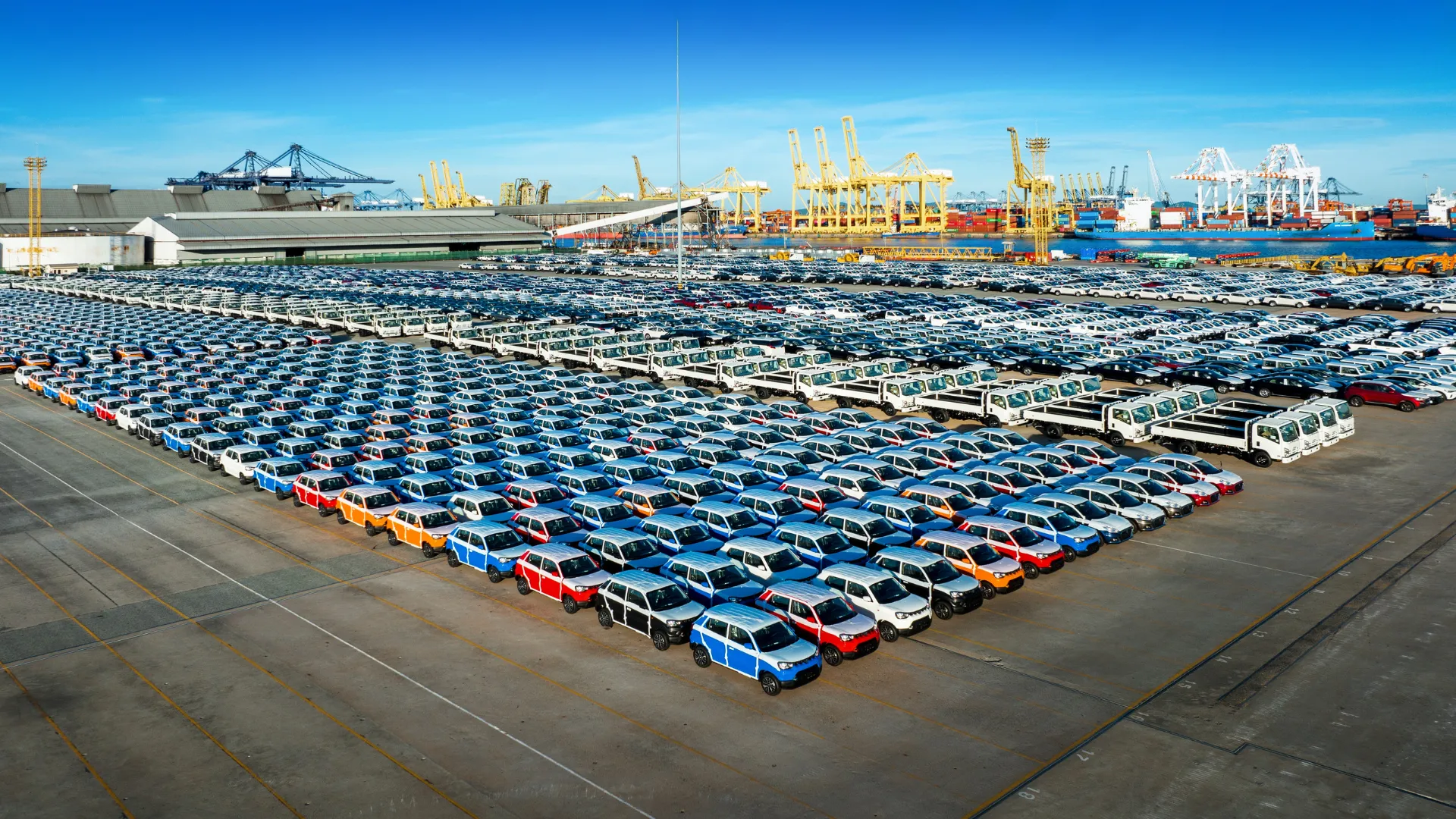

Japanese Car Auction Guide: Finding Your Perfect Import
The Insider’s Playbook for Japanese Car Auctions
Look, let’s talk about the world of Japanese car auctions. It’s a huge, fast-moving marketplace—a high-speed automobile stock exchange. From the outside, here on a sunny October day in Dubai, it can feel like a members-only club with its secret language. And to be fair, it is.
But it’s also a place full of incredible value. A place where you can find your next vehicle—a clean, low-mileage machine—for a price that makes you double-take. So how do you get in? How do you learn the language? You need a guide. A playbook. This is that playbook.
How Japanese Car Auctions Operate
First, you need to understand the rhythm of the game. It’s fast. Incredibly fast. We are talking about a system that sells thousands of cars an hour. The entire procedure happens online. A car appears on a screen, the sale starts, and thirty seconds later, a hammer falls. Sold.
You need a license to get a seat at this digital table. You need to be a registered member. This is why you need a partner, an exporter already in the club. They are your entry ticket to this whole world of Japanese car auctions.
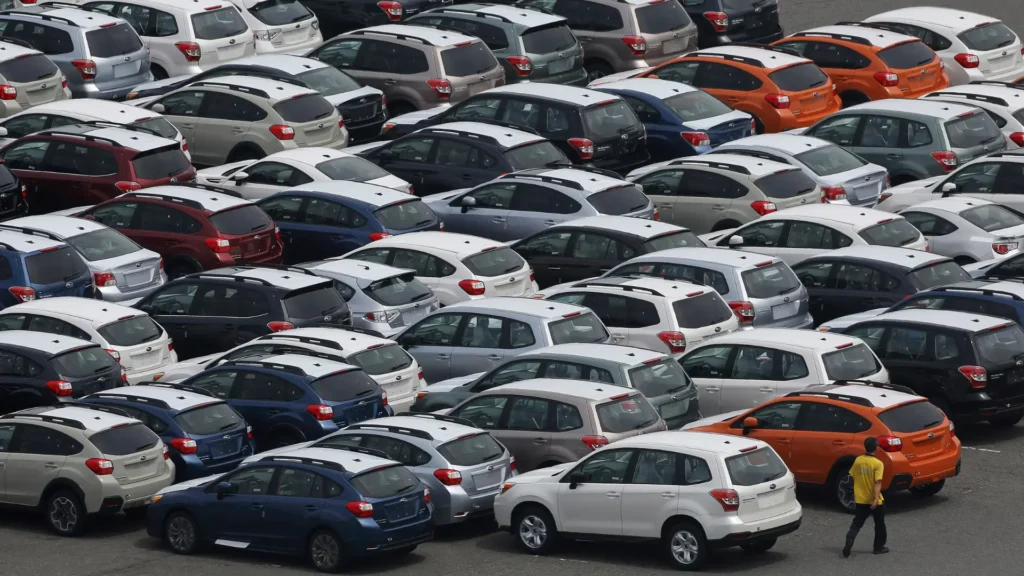
Popular Japanese Car Auction Platforms
Where does all this happen? In a few major arenas.
- USS (Used Car System): This is the undisputed giant. The biggest of the big. Access to USS auctions means you see the most extensive and varied selection of vehicles in all of Japan. They have auction sites all over the country.
- TAA (Toyota Auto Auction): Toyota Auto Auction is run by Toyota, and this is a prime spot to find high-quality Toyota and Lexus models. The inspections here are famously strict. An excellent place for a buyer who wants a dependable machine.
- JU (Japan Used Car Dealers Association): A network of auctions run by a coalition of dealers. Another excellent source for good-quality, well-maintained vehicles is often trade-ins from dealerships.
Decoding the Japanese Auction Sheet
All right, this is the most essential page in the whole playbook. The Japanese auction sheet. It’s the car’s full confession on a single piece of paper. If you learn to read this, you can buy cars from Japan with absolute clarity.
Think of it as a map. The main grade—a number like 4.5 or a letter like R—is the general area. A 4.5 is a spotless car. An R means it has a repair history. The interior grade—A, B, C—tells you how clean the cabin is.
But the real treasure is in the details. The little car diagram has codes on it. An A1 is a tiny scratch you’d barely notice. A U3 is a dent that will need a fix. A W2 indicates a wavy, poor-quality paint repair. A smart buyer learns these codes. It’s how you find the genuine bargains.
Choosing the Right Car for Import
Once you can read the map, you can start the hunt. What are you looking for? A tough JDM car import? A dependable family SUV?
The key is matching the car’s condition to your needs and budget. A vehicle with a Grade 3.5 might scare some people off. But if the auction sheet shows it has some cosmetic scratches and a clean interior, it could be a massive bargain. You also need to consider your local rules. Here in the UAE, for instance, you need a Left-Hand Drive car for registration. We help you filter your search for eligible vehicles only.

Understanding the Bidding Process
The Japanese car bidding process is a digital duel. It’s a quick one. You work with us to set your maximum bid. This is the absolute highest price you are willing to pay for the car.
We then enter that number into the system. During the 30-second auction, our system automatically bids for you against other buyers. It goes up in small increments. It will stop when the other bidders drop out or it hits your maximum limit. If the competition is low, you might win the car for much less than your max bid. It’s a very efficient system.
Working with a Reliable Exporter
Here’s the thing. You need more than just a bidder. You need a consultant—a guide. A reliable exporter is your partner in this. They are more than just one of many Japanese used car dealers.
We are your team on the ground. We check the auction sheets. We give you advice on the car’s condition. We help you set a smart budget. We manage the bid. We handle the paperwork after the win. A good exporter removes the risk from the process. It’s a relationship—a partnership.
Car Shipping and Import Procedures
You won. The car is yours. What happens next? The journey begins.
The car is moved from the auction house to the export port. We handle all the Japanese-side documentation—the deregistration and the export certificate. We then book its spot on a ship bound for your country. The car shipping process is a well-oiled machine. We keep you updated at every central point on its journey.

Best Tips to Find Your Ideal Import
So, how do you put this all together to find a great car?
- Become an Auction Sheet Expert: Spend time learning the codes. This is your number one advantage.
- Be Flexible: An unpopular color or a slightly higher mileage can save you much money on an otherwise great car.
- Set a Hard Budget: And stick to it. Always account for shipping and import taxes in your total number.
- Trust Your Partner: Listen to the advice of your exporter. They have seen thousands of these cars. They know a good deal when they see one.
Frequently Asked Questions (FAQs)
- How do I get access to Japanese car auctions?
You get access through a licensed exporter like Skyery Auto. We provide you with a login to our online auction portal.
- What is the most essential document in a car auction?
The auction sheet. It is the official inspection report from the auction house.
- What does an auction grade of ‘R’ mean?
It means the car has a repair history from an accident. The sheet will show which parts were repaired.
- How long does the online bidding for one car last?
It’s swift, usually around 30 seconds.
- What happens if I am the highest bidder?
You win the car. The sale is final, and the vehicle is yours.
- Can I bid on a car myself?
No, only licensed members of the auction houses can place bids.
- What are the leading auction houses in Japan?
USS, TAA, JU, and many other regional ones are the biggest.
- How do I pay for a car I win?
You pay your exporter, who settles the bill with the auction house.
- Are the auction inspection reports reliable?
The reports from the major auction houses are very consistent and dependable.
- What is a “max bid”?
It is the highest price you authorize your agent to bid for a vehicle on your behalf.
- Can I find both Right-Hand and Left-Hand Drive cars?
Yes. While most cars are RHD for the local market, you can also find LHD models from American and European brands.
- What are JDM cars?
JDM stands for Japanese Domestic Market. These are models explicitly built for sale in Japan, often with unique features or performance levels.
- How do I start buying a car from Japan?
Contact an exporter like us. We will set you up with auction access and guide you from there.